
Reflection: Technology, Mobility, and Inclusion in Higher Education


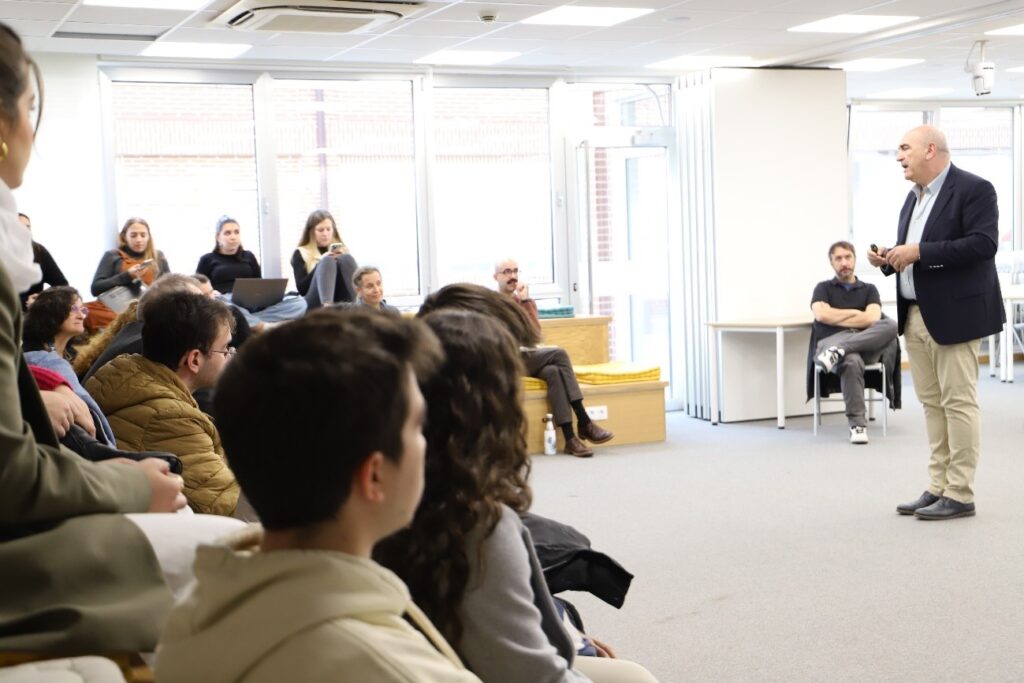
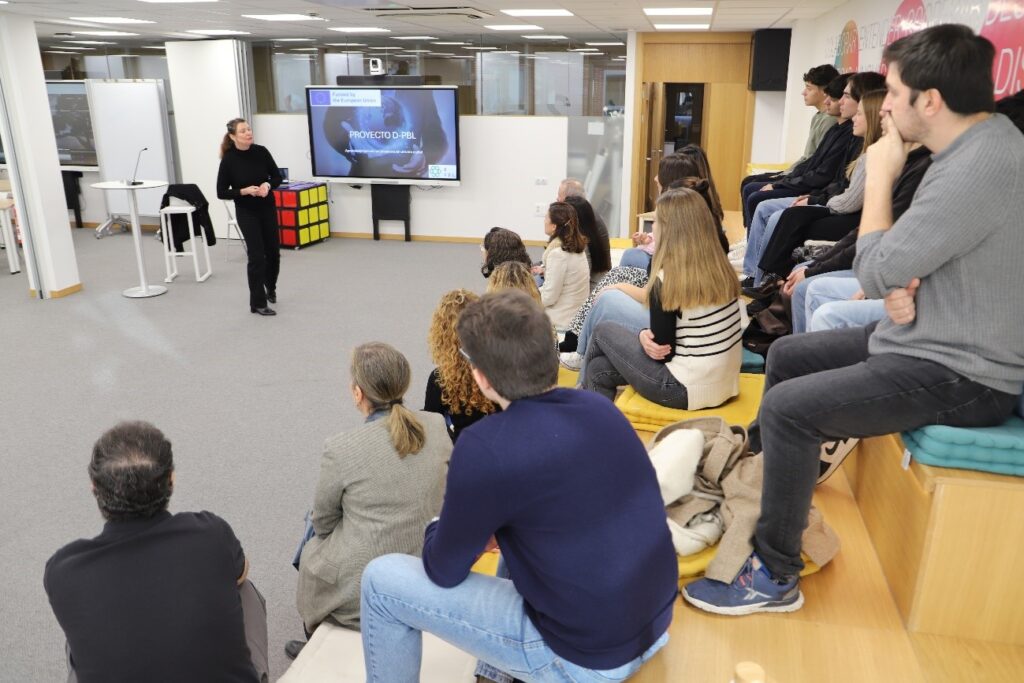
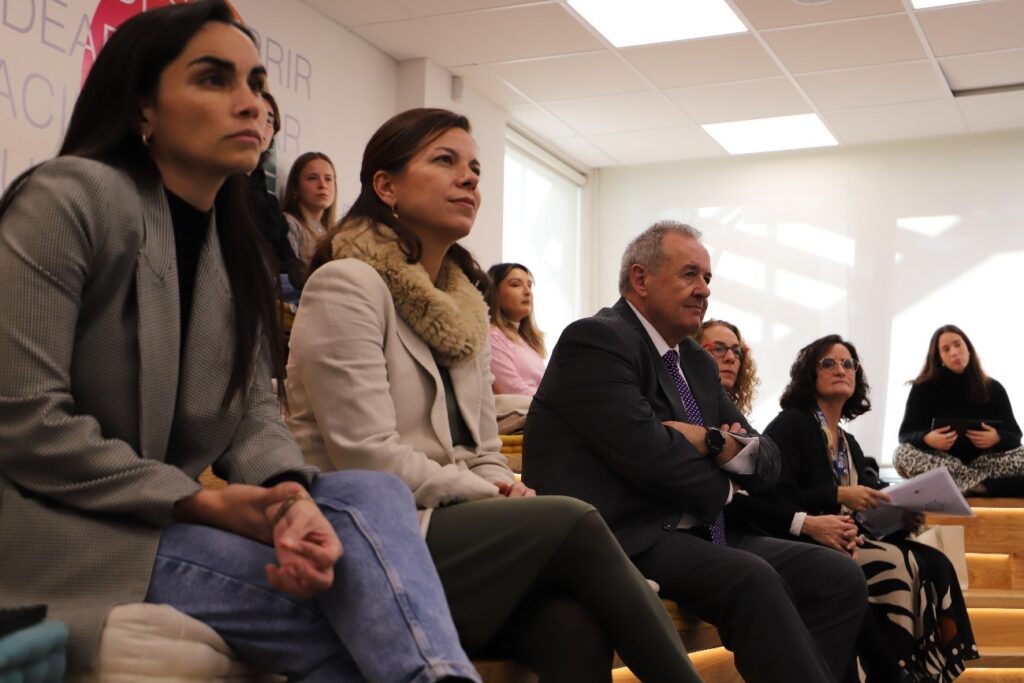
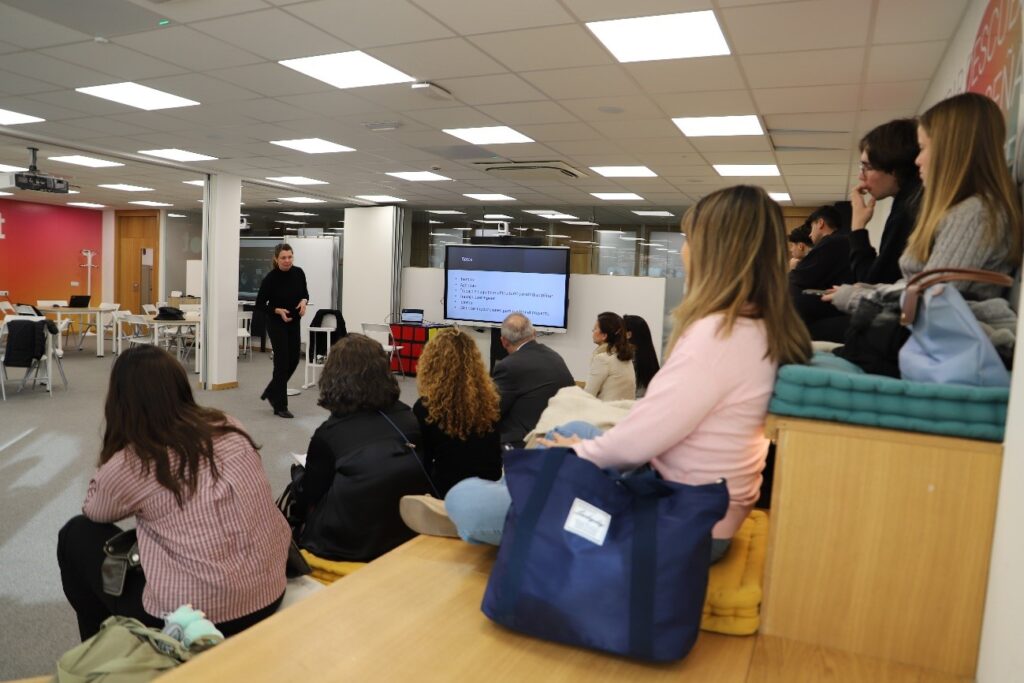
The event “Technology, Mobility, and Inclusion: Innovation that Transforms Cities and People” It is part of the D-PBL Project, which addresses transportation issues through the project-based learning methodology in higher education.. This event offered much more than a glimpse into how technology shapes urban life and inclusion. It demonstrated the transformative role these advancements can play when integrated into higher education, fostering not only knowledge but also connections to the real world.
This gathering underscored the unique position of universities as catalysts for change. Acting as bridges between innovative ideas, diverse people, and actionable solutions, they are pivotal in shaping a more equitable future. One standout moment was METRO de Madrid’s presentation, which vividly showcased how sustainable and inclusive mobility strategies can redefine urban spaces—a lesson that resonates with the academic mission of breaking barriers and preparing students for a globalized, inclusive future.
Educational diversity took center stage as well, with initiatives like SAPNE reminding us that technology’s ultimate purpose must include its impact on human lives. In an academic context, these insights inspire collaborative projects that challenge students to address social and technological issues from multiple perspectives.
Perhaps the most critical takeaway was the emphasis on experiential learning. The event highlighted how involving students in methodologies like Project-Based Learning bridges the gap between theory and practice, cultivating professionals who are not only skilled but also socially conscious.
Ultimately, the journey toward more sustainable cities and inclusive societies begins in the classroom. Events like these inspire us to envision a future built collaboratively—one where education, innovation, and human connection drive the changes our world urgently needs.
 English
  Portuguese
  Spanish
  Greek
Greek  Lithuanian
  Serbian